Consultant Corneal Surgery · Colchester, Essex
Pterygium Removal Surgery in Essex
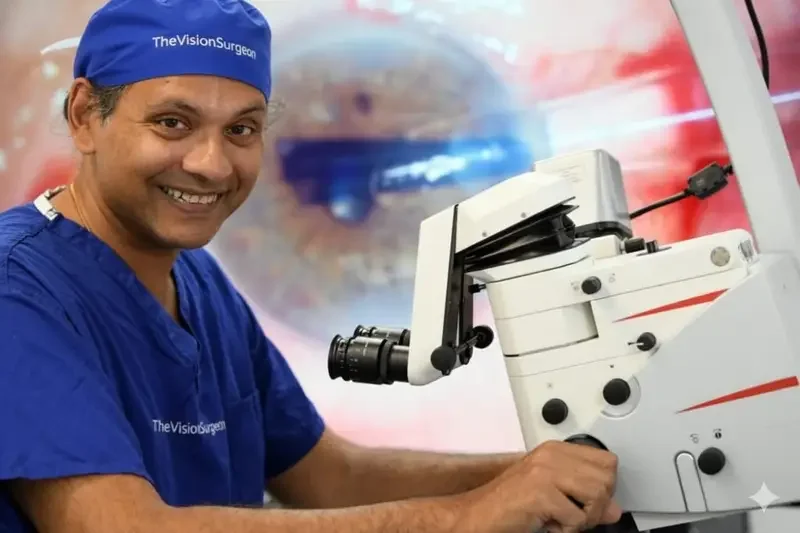
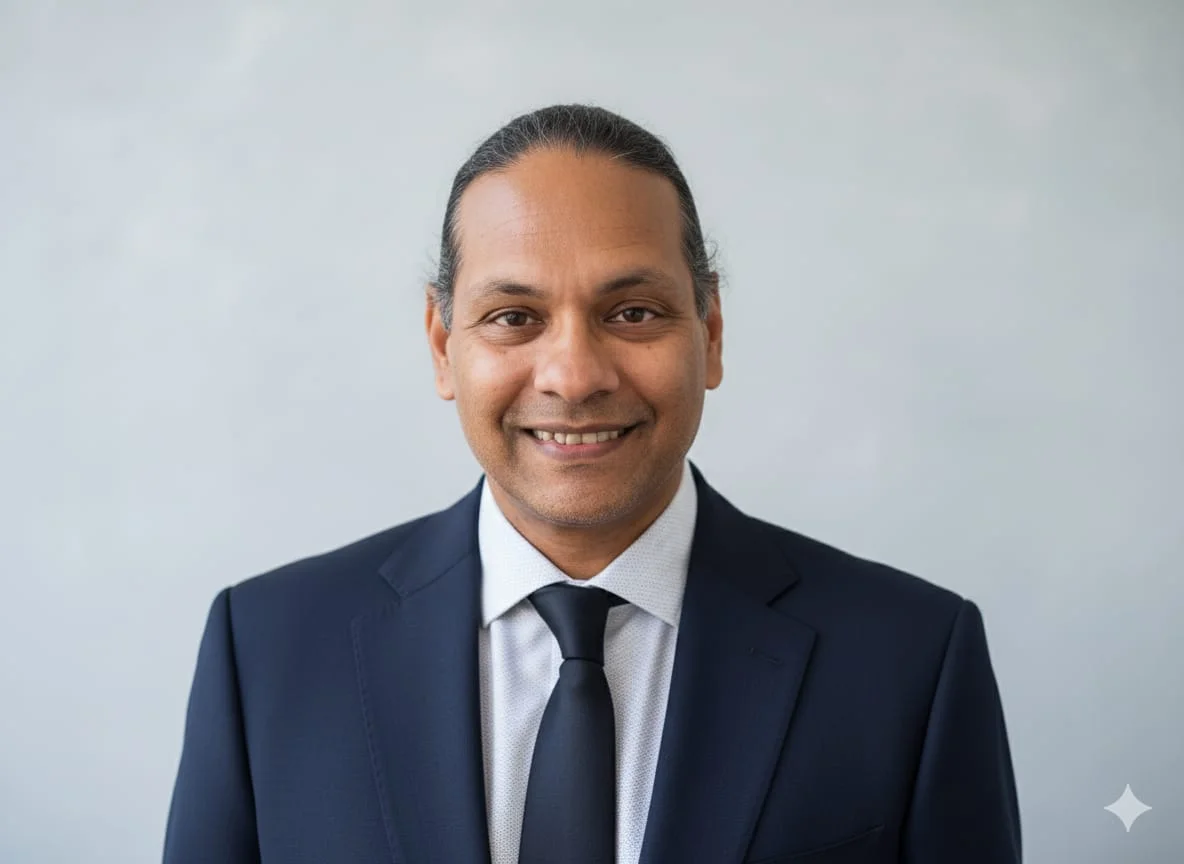
Painless day-case surgery with excellent cosmetic and functional outcomes. Led personally by Mr Hatch Mukherjee — consultant corneal ophthalmologist with over 20 years’ experience and one of the first UK surgeons to routinely perform pterygium removal using the fibrin glue autograft technique.
Professional memberships, fellowships & leadership roles

Why Patients Choose Mr Hatch Mukherjee for Pterygium Surgery
Pterygium surgery requires precise corneal dissection and tissue grafting. The outcome — including recurrence risk and corneal surface quality — depends significantly on the surgeon's experience and technique.
Mr Mukherjee is a consultant ophthalmologist with over 20 years’ experience in corneal and anterior segment surgery and one of the first surgeons in the UK to routinely perform pterygium excision using the fibrin glue conjunctival autograft technique. Pterygium removal is one of his areas of sub-specialist expertise, performed to the same standard he brings to complex corneal reconstruction.
You see an internationally renowned expert
Your consultation, surgical planning and follow-up are led by Mr Mukherjee personally — not delegated to a nurse or technician.
Corneal fellowship training
Advanced post-CCT corneal fellowship, with expertise in the full range of anterior segment and corneal surface procedures.
Pioneer of glued autograft & amniotic membrane in the UK
One of the first UK surgeons to routinely use fibrin glue conjunctival autograft and amniotic membrane techniques — now recognised as gold-standard approaches for lowest recurrence and optimal healing.
Complex cases welcome
Experience with recurrent pterygium, large lesions and patients with concurrent corneal conditions requiring careful management.
See why our patients would recommend Mr Mukherjee.
98% Verified through PHIN — the independent Private Healthcare Information Network.
"I left reassured and confident in the consultant and well informed about the options available to me."
"Innovative approach... my vision has surpassed both of our expectations."
"The entire team made me feel at ease from consultation to aftercare."
What is a Pterygium?
A pterygium (teh-RIJ-ee-um) is a fleshy, wedge-shaped growth of conjunctival tissue that extends onto the cornea. Often called “surfer’s eye”, it is associated with UV exposure, wind and dry environments.
Pterygia are benign but can cause persistent redness, irritation and, if left to grow, may induce astigmatism or encroach on the visual axis. Early assessment by a corneal specialist allows the most appropriate management plan.
Important: A pterygium growing towards the centre of your vision, causing persistent discomfort or affecting your sight, should be assessed promptly.
Signs & Symptoms of Pterygium
Visible triangular growth — pinkish-white lesion growing from the nasal side toward the cornea
Redness & irritation — persistent grittiness not resolved by lubricant drops
Blurred or distorted vision — corneal invasion induces astigmatism or direct visual disturbance
Contact lens intolerance — reduced comfort and wearing time, even at an early stage
Dryness & watering — tear film disruption causes intermittent dry eye and reflex tearing
Cosmetic concern — the visible, reddened growth is a common reason patients seek assessment
More Than Removal — Corneal Surface Restoration
At The Vision Surgeon, pterygium surgery is approached as a corneal surface procedure, not simply an excision. Because pterygium grows onto and into the cornea — the eye’s primary refracting surface — the quality of the surgical technique directly determines not just whether it returns, but how well you see afterwards.
Mr Mukherjee uses fibrin glue conjunctival autograft and, where indicated, amniotic membrane techniques to restore the corneal surface optimally. These are not universally adopted approaches — he was among the first surgeons in the UK to use them routinely, and has refined his technique over more than 20 years. The result is consistently low recurrence rates and a corneal surface that supports the best possible vision, including refractive correction if needed.
Considering laser eye surgery? Pterygium must be fully removed and the cornea allowed to stabilise before laser treatment can be safely planned. Mr Mukherjee is also an expert laser eye surgeon — meaning he can oversee your complete journey from pterygium removal through to LASIK, LASEK or TransPRK, under a single specialist who understands every stage.
Mr Mukherjee receives referrals from across the UK and internationally for complex corneal and refractive cases.
Ready to discuss your pterygium with a consultant corneal specialist?
Book a consultation with Mr Mukherjee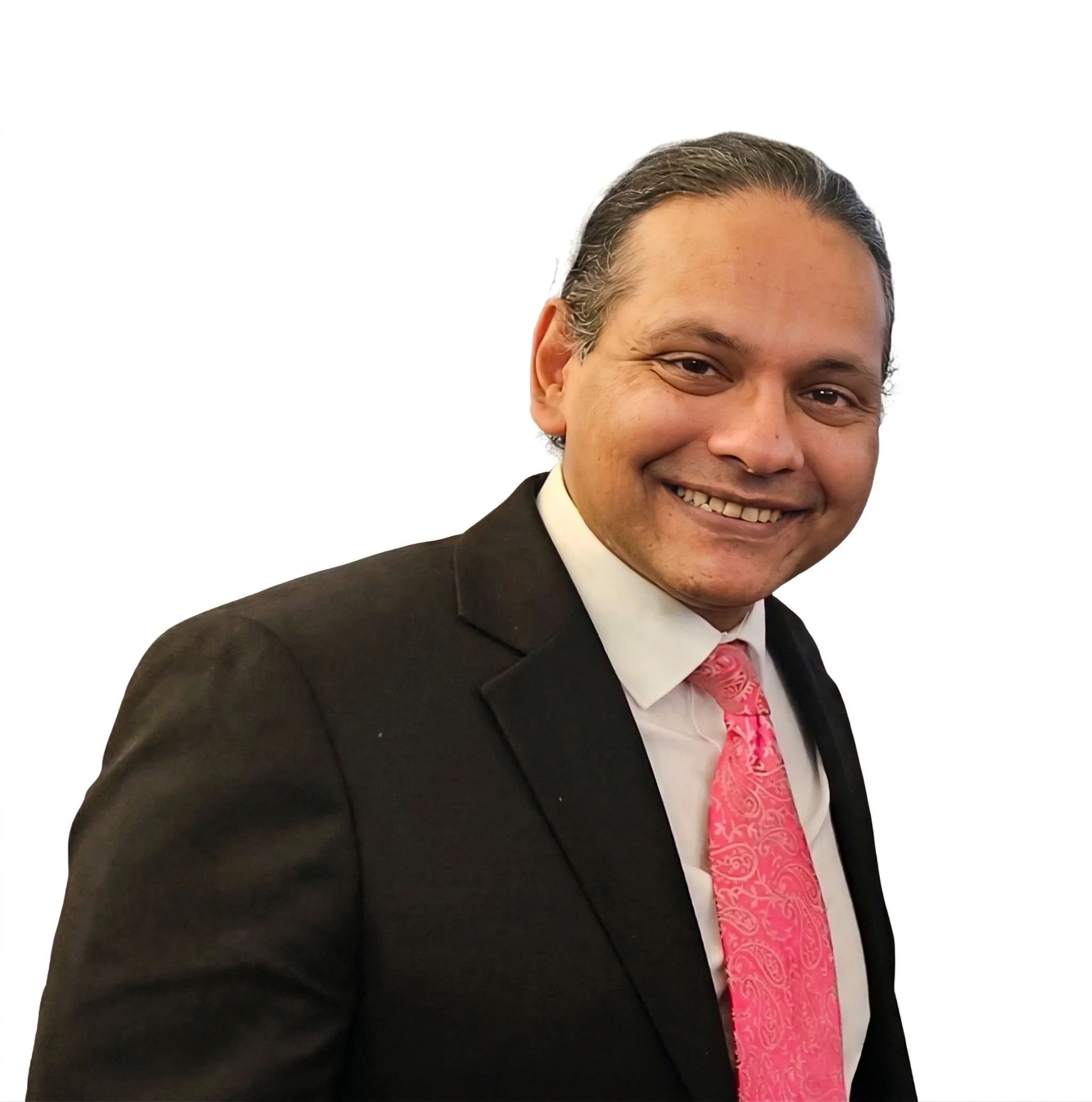
What to Expect on the Day of Surgery
- Performed under local anaesthetic — you are awake but the eye is completely numb
- Day-case procedure: you arrive, have surgery and go home the same day
- The procedure typically takes 30–45 minutes
- Mr Mukherjee carefully removes the pterygium and covers the site with a conjunctival autograft, secured with fibrin glue
- A pad or shield may be placed over the eye before you leave
Frequently Asked Questions
Speak to a consultant corneal surgeon about your pterygium.
Mr Hatch Mukherjee provides expert assessment and surgical treatment for pterygium in Colchester, Essex. You will be seen and treated by the consultant from your very first visit.